
Ear conditions treated at the clinic
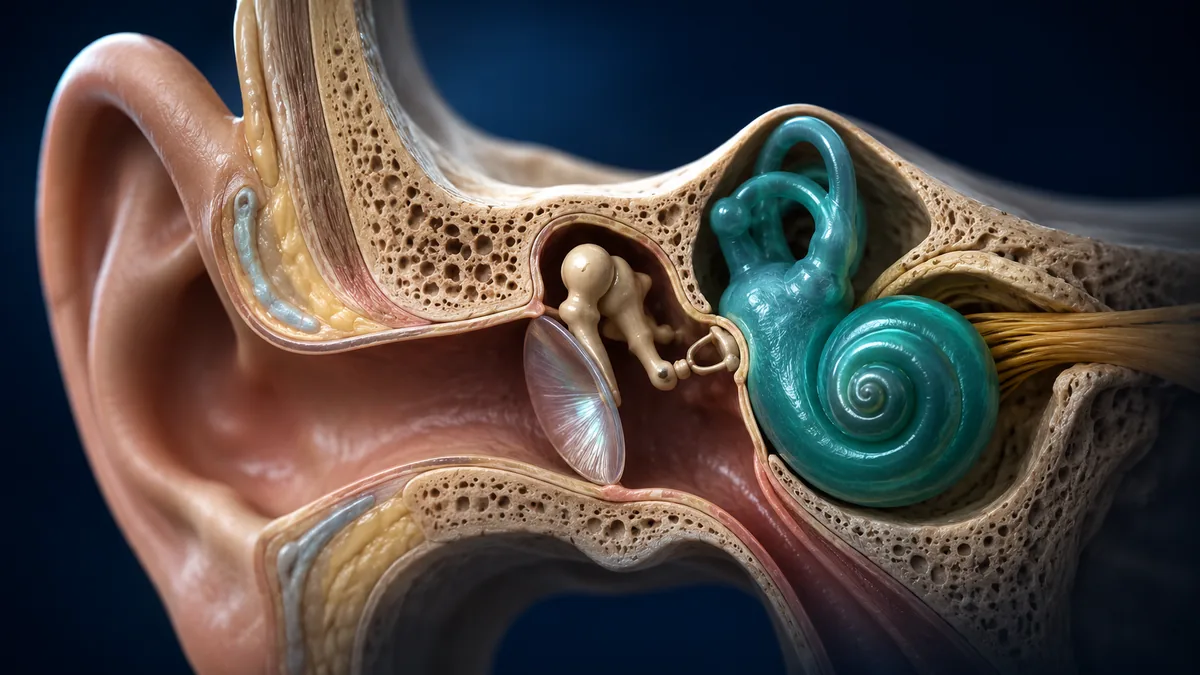
The ear is three compartments in one — the outer canal, the middle ear behind the drum, and the inner ear that converts sound into signals. Symptoms overlap heavily, which is why examination matters more than the label a patient arrives with.
When ear symptoms need an ENT opinion
Book an appointment rather than waiting if you have ear pain lasting more than a few days, any discharge from the ear, hearing that has dropped noticeably, ringing in one ear only, or dizziness alongside ear symptoms.
Sudden hearing loss in one ear — hearing that disappears over hours or a day is a medical urgency. Treatment started within the first two weeks gives a considerably better chance of recovery than treatment started later. Ear symptoms with facial weakness also need prompt assessment.
Earwax — and why cotton buds make it worse
Wax is normal and self-clearing. It becomes a problem only when it is pushed inward, which is precisely what a cotton bud does — removing a little from the entrance while compacting the rest against the eardrum. That compacted plug causes blockage, muffled hearing and sometimes pain.
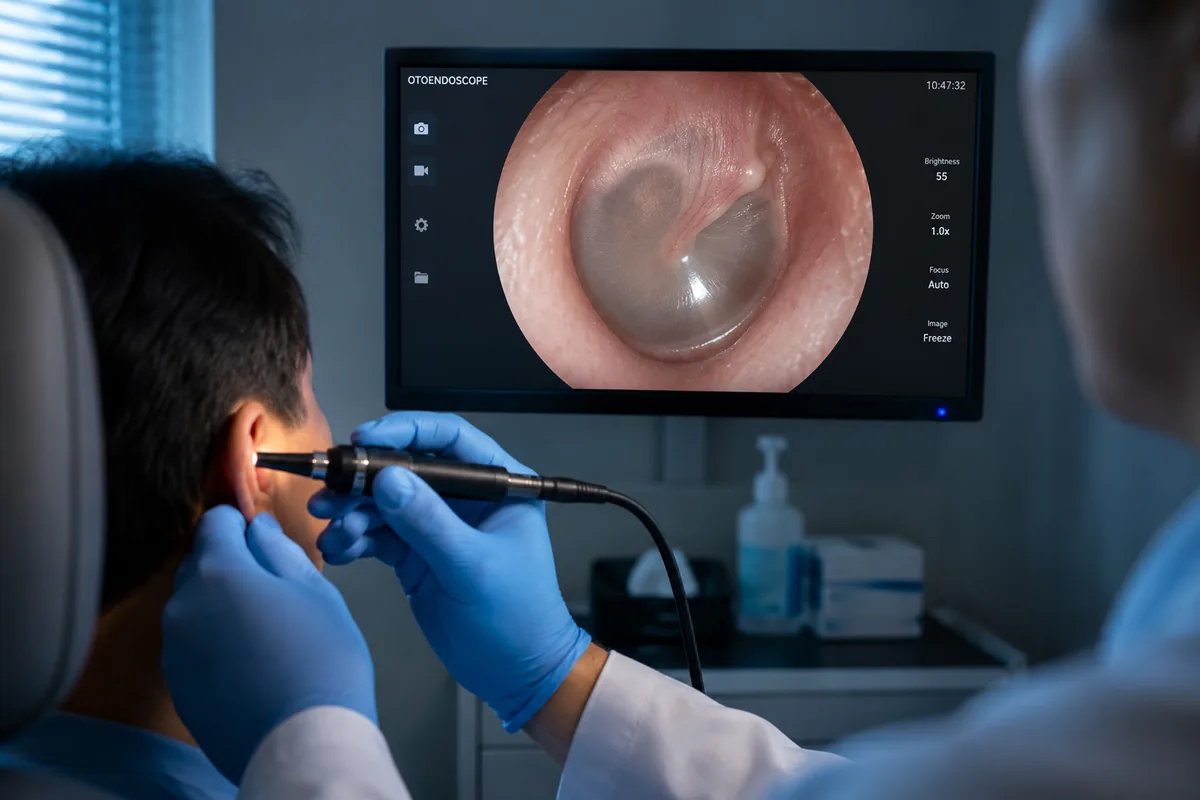
Wax is removed at the clinic under direct vision using microsuction or instruments, with the canal visible on screen throughout. This is far safer than syringing when a perforation may be present, and far safer than any home method. Ear candling has no evidence behind it and carries a genuine burn risk.
Ear infections and persistent discharge
Outer ear infection (otitis externa) causes pain when the ear is touched, itching and sometimes discharge. It is common after swimming or humid weather. Treatment is thorough cleaning under vision followed by targeted ear drops — drops alone often fail if debris is left in the canal.
Middle ear infection (otitis media) sits behind the drum, causing pain, fever and reduced hearing, and is common in children. Many resolve without antibiotics; the decision depends on age, severity and what the drum looks like.
Persistent discharge lasting weeks usually means a perforated eardrum or chronic middle ear disease, and needs proper assessment rather than repeated courses of drops. Some forms — particularly cholesteatoma, where skin grows into the middle ear — are progressive and need surgery. Repair is covered on our tympanoplasty and ear surgery page.
Hearing loss
Hearing loss falls into two broad groups, and telling them apart determines everything that follows.
| Type | Where the problem is | Common causes | Typical approach |
|---|---|---|---|
| Conductive | Outer or middle ear — sound cannot get through | Wax, fluid, perforation, ossicular problems | Often correctable by treatment or surgery |
| Sensorineural | Inner ear or hearing nerve | Age, noise exposure, sudden loss, genetic causes | Hearing aids; cochlear implant if severe |
| Mixed | Both | Chronic ear disease with age-related loss | Combined medical, surgical and aided approach |
Hearing loss is usually gradual and easy to dismiss — asking people to repeat themselves, struggling in restaurants, family complaining about television volume. Untreated hearing loss is linked with social withdrawal and increased cognitive decline in older adults, so it is worth testing rather than adapting around.
Where hearing aids are appropriate, fitting and programming is available at the clinic — see hearing aids in Gurgaon. For severe to profound loss where aids no longer help, cochlear implant surgery may be an option.
Tinnitus — ringing in the ear
Tinnitus is the perception of sound with no external source. It is extremely common and usually not dangerous, but it is a symptom rather than a diagnosis, so the job is to find what is driving it — wax, hearing loss, noise exposure, middle ear disease or occasionally medication.
Tinnitus in one ear only, or tinnitus that pulses in time with your heartbeat, warrants more detailed assessment. Management combines treating any identified cause, correcting hearing loss where present (which frequently reduces the tinnitus itself), sound therapy and habituation strategies.
How the ear is examined here
- Otoendoscopy — a magnified camera view of the canal and eardrum shown on screen, so you see your own perforation or wax plug rather than taking it on trust.
- Microscopic examination — for cleaning and detailed assessment of the drum.
- Pure tone audiometry — the standard hearing test, mapping the softest sounds you can hear across frequencies.
- Tympanometry — measures eardrum movement and detects fluid in the middle ear, particularly useful in children.
Treatment options
Most ear problems are managed medically: wax removal, targeted drops, treatment of the underlying nasal allergy driving eustachian tube dysfunction, and hearing rehabilitation. Surgery is offered where it will genuinely change the outcome — repairing a perforation, addressing chronic middle ear disease, or implanting where hearing cannot be restored otherwise.
The clinic is at Vatika Town Square, Sector 82A, easily reached from Kherki Daula, Sectors 82–89, Manesar, Badshahpur and the Dwarka Expressway corridor.